Shinsegae and Lotte reshape their Busan rivalry as beauty and fashion brands build destination stores to attract tourists and young shoppers
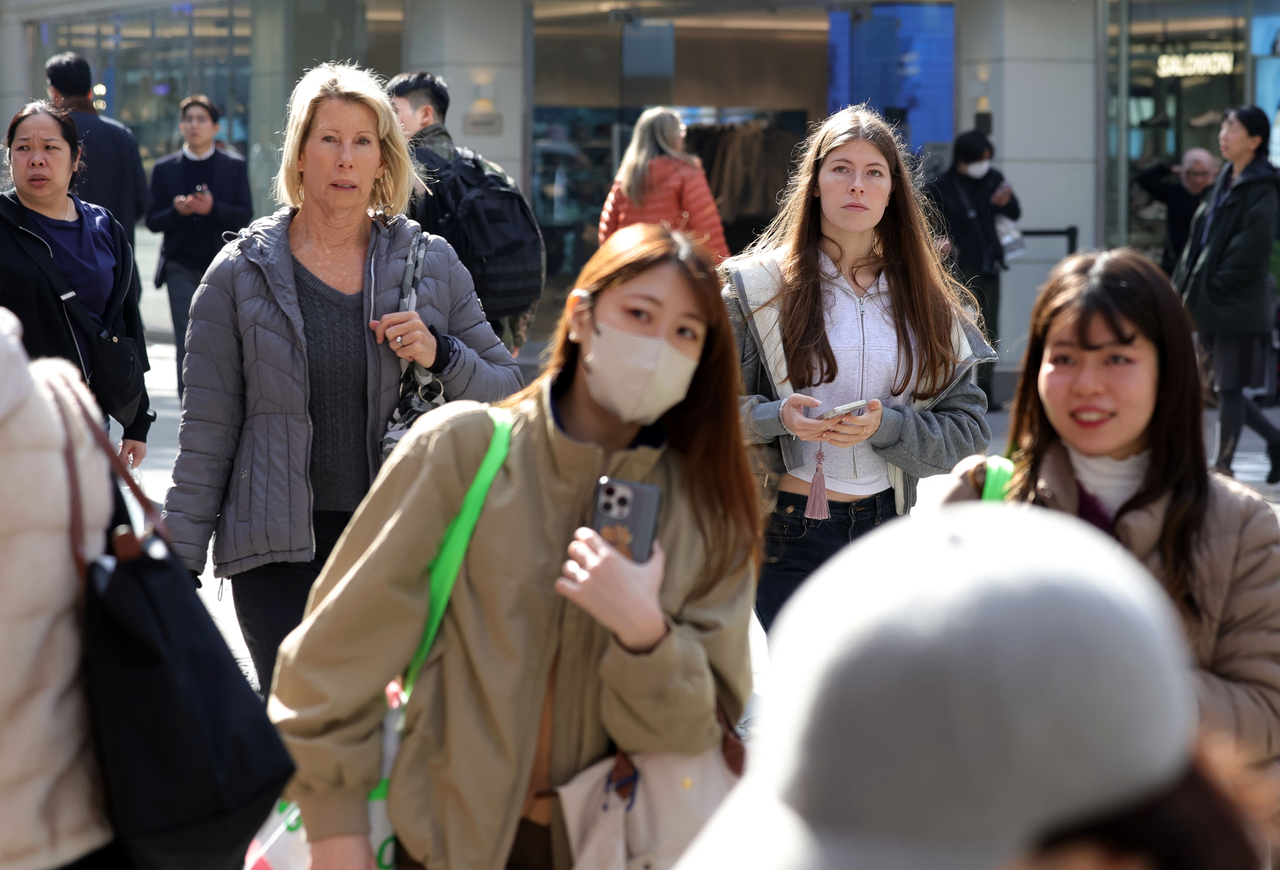
Korean retailers no longer treat Seoul as the only game in town. More are fanning out to regional cities, especially Busan, where a tourism surge opens new ground for growth.
By late October, Korea had already topped last year’s record count of foreign visitors, and many now land outside Seoul to begin with. According to the Korea Airports Corp., arrivals at regional airports climbed about 37 percent to roughly 3.24 million in the first nine months, outpacing the 17.3 percent rise at capital-area airports.
"Unlike in the past, regional stores now draw foreign tourists, not just locals, and serve as strategic hubs for brand awareness," one industry official said. "Retailers now target areas where tourists and young shoppers turn into steady store traffic."
Retail giants duel in Busan
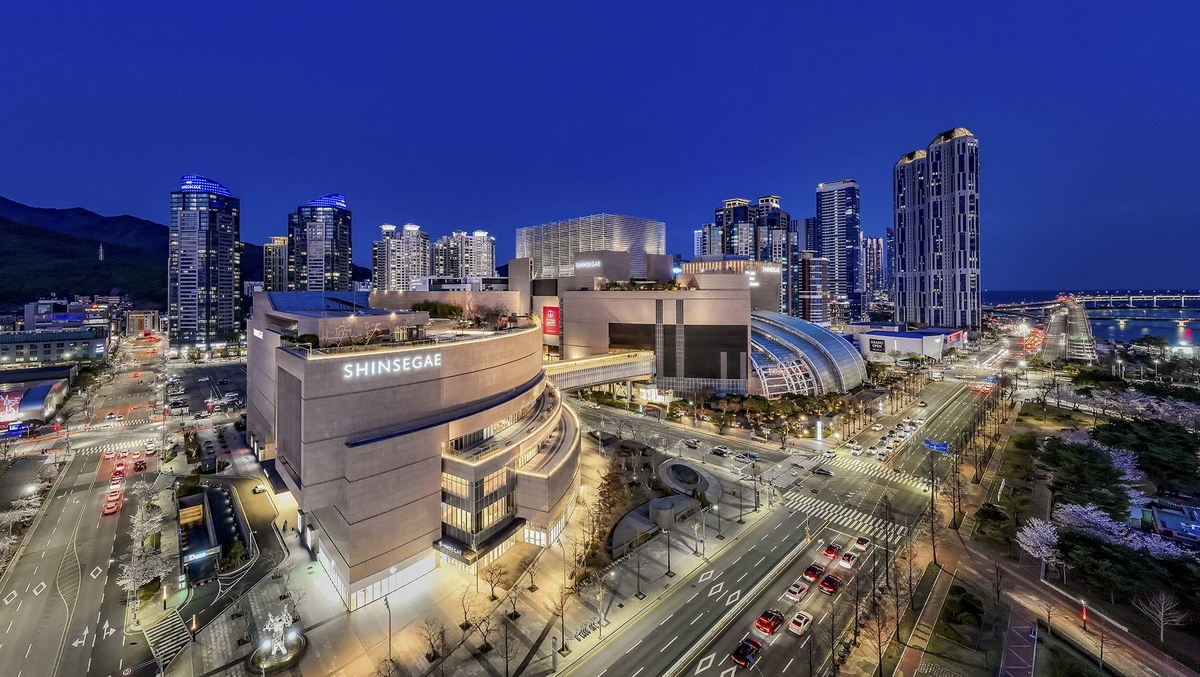
In Busan, Korea’s second-largest city, Shinsegae and Lotte are redrawing their rivalry, charting separate courses to capture surging demand.
Foreign tourists spent over 1 trillion won ($745 million) in Busan from January through September, the first time any region outside Seoul has crossed the 1 trillion won mark.
Shinsegae aims to turn Centum City, a commercial hub in the coastal Haeundae district, into a version of its Myeong-dong project in Seoul, where it is linking buildings around its flagship into a retail complex for tourists and young luxury buyers.
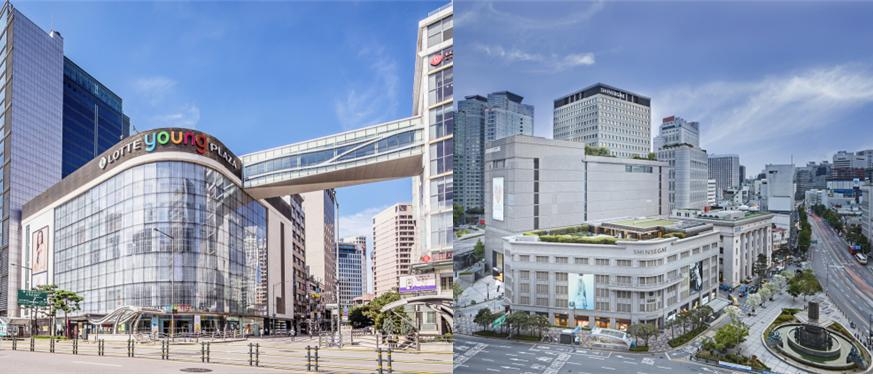
That vision took a leap in late October, when the company announced it would acquire Lotte Department Store’s Centum City branch.
The store sits right beside Shinsegae Centum City, the top-selling department store outside the capital region with more than 2 trillion won in annual sales. Lotte’s branch, on the other hand, saw annual sales slide from a peak of more than 300 billion won to about 130 billion won by 2023.
Shinsegae said it plans to connect the two buildings with its adjacent mall and an undeveloped plot slated for a luxury hotel, offices and residences, creating a sprawling complex it calls "Shinsegae Town."
"This deal creates an environment in which both companies can grow further," Shinsegae CEO Park Joo-hyung said. "We will develop Shinsegae Town into a global landmark representing Korea."
Whereas Shinsegae is going big in one place, Lotte is going wide, giving each of its four remaining stores a distinct role.
It will use proceeds from the sale to renovate its Busan flagship in Seomyeon and invest in Lotte Mall Dongbusan, both of which have seen sales climb. Its Gwangbok branch in the old downtown will target the surge of foreign tourists, while its Dongnae store will serve local shoppers.
"The move reflects our strategy of focusing resources where they count most in a fast-changing retail landscape," a Lotte Department Store official said.
Lotte’s Busan flagship, which posted 1.2 trillion won in sales last year, has already found a hit with foreign diners, whose food and beverage spending soared 120 percent on-year from January through October.
Beauty, fashion face off in regions
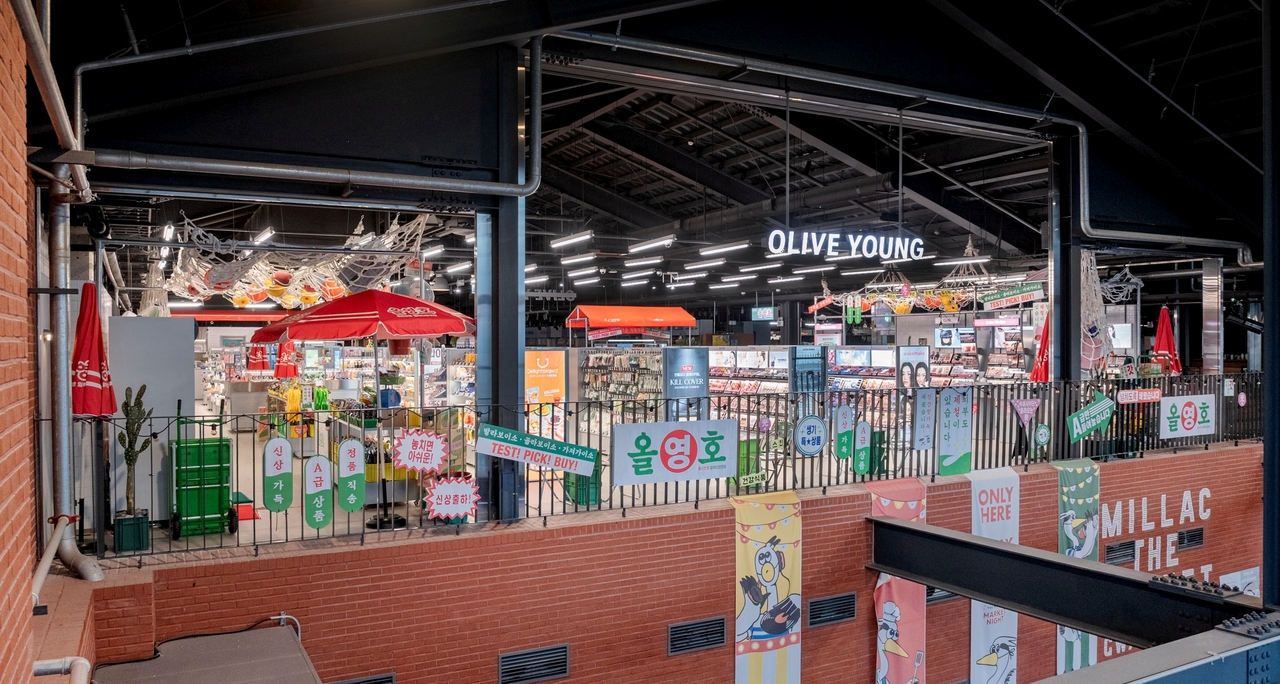
Busan’s retail rush runs deeper than its department stores.
CJ Olive Young recently unveiled a fish market-themed shop in Millac-dong, stacking cosmetics and snacks in crates the way a fish market displays its catch. In Nampo-dong, it enlarged an existing store into its biggest outlet outside the capital region.
Other regions carry equal weight for Korea’s leading beauty retailer. Olive Young is investing 123.8 billion won outside the capital region this year to open or renovate 43 large stores. For instance, its Gyeongju store in North Gyeongsang Province, opened last month, sports a hanok-style facade and sells keychains of local heritage sites.
"Many stores are under construction, and we plan to open a large number in the fourth quarter," an Olive Young official said.
Fashion brands are following the same playbook.
Eyewear brand Blue Elephant has been opening stores where tourist spending is surging, including Busan and Jeju Island, and in July added a Gyeongju branch topped with a hanok’s tiled roof.
Musinsa rides foot traffic at two Lotte branches in Busan and runs a Seomyeon outlet, where foreign cards accounted for about 30 percent of purchases, up 11 percentage points from a year earlier. Combined sales at its eight non-capital stores rose about 44 percent over the same period.
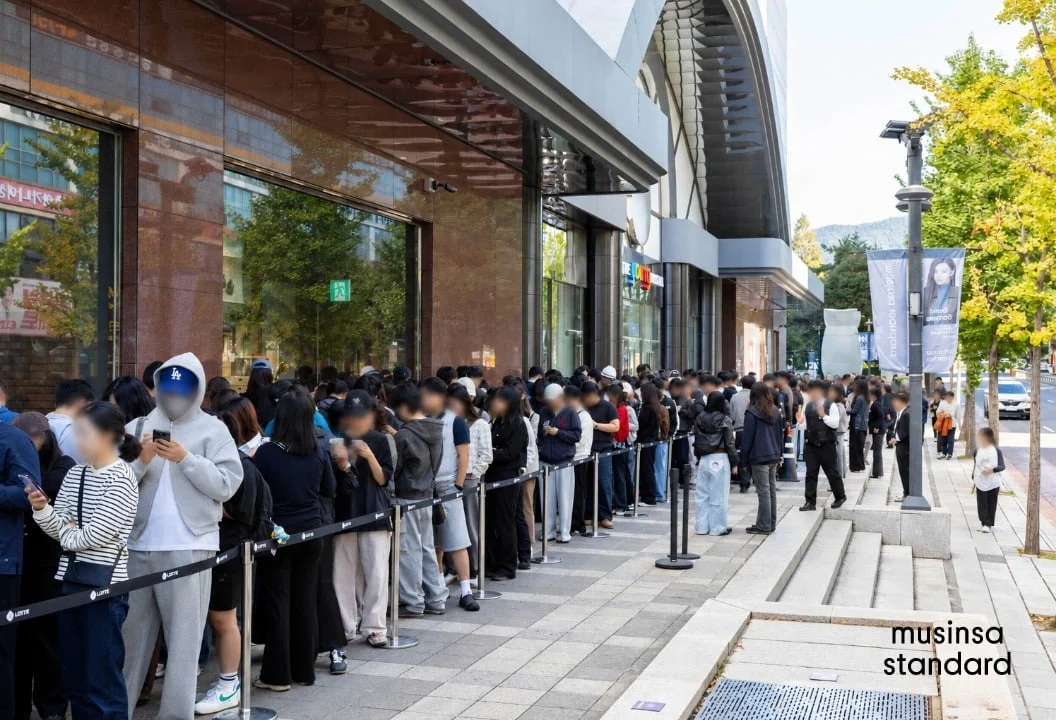
Musinsa opened its first regional Standard store in Daegu in 2023, reviving a struggling fashion street by drawing its online fans in. With Changwon’s opening last month, 10 of its 44 Standard stores now sit outside the capital region.
"Three years of investing in physical stores outside the capital have started to show results in both sales and foot traffic," a Musinsa official noted.
minmin@heraldcorp.com